
LambofluxTRX – workplace of a location-independent investor with an eye on market data

Precise data analysis for well-founded investment decisions – regardless of location

LambofluxTRX continuously processes market and portfolio data in the background and provides recommendations tailored to your individual risk profile. This keeps the analysis work done while you focus on your actual work.

EU server infrastructure Encrypted data transmission Individually adjustable risk parameters
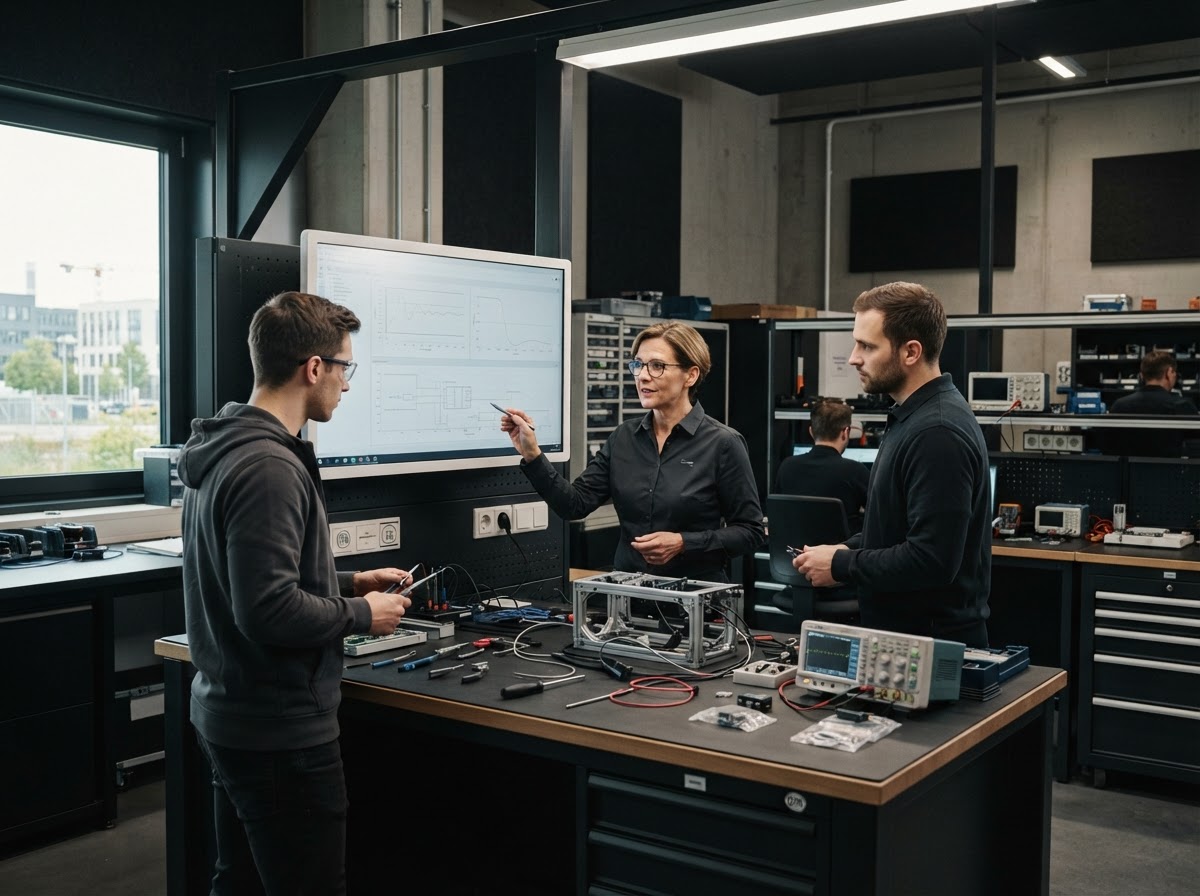
Market observation takes time that is rarely available when traveling

Changing time zones, unstable connections and limited screen time make it difficult to manually keep an eye on price movements, key figures and news. Those who make decisions themselves often miss the moment when a position could be adjusted.

LambofluxTRX handles this part of the work in a structured manner: The system continuously collects relevant data, evaluates it according to previously defined criteria and suggests adjustments as soon as the initial situation changes. The final decision remains yours.

LambofluxTRX analysis interface with market data and portfolio overview

Three core functions, tailored to work from any location

Each feature works based on the data you share and within the boundaries you define.

01 · Predictive analysis

Predictive market analysis

The system compares current market data with historical patterns and derives probabilities for different scenarios. Instead of individual forecasts, you receive an assessment of several possible developments including the factors that influence them.

02 · Risk management

Risk management in real time

Volatility and position sizes are continuously monitored. If a value exceeds the limits you set, the system adjusts the weighting or informs you before a major loss occurs.

03 · Automated execution

Automated execution within defined limits

Released rules can be executed automatically, such as rebalancing or hedging measures. Every action is logged and can be viewed subsequently; manual interventions are possible at any time.

How the system adapts to your risk tolerance

The process follows three coordinated steps that are repeated continuously.

Step 1

Data collection

Market, macro and portfolio data are merged and cleaned from the sources you connect before being incorporated into the models.

Step 2

Risk profiling

They define time horizons, maximum drawdowns and preferred asset classes. This creates concrete parameters according to which the system makes decisions.

Step 3

Optimization cycle

Recommendations and automated rules are regularly reviewed and adjusted based on new data, rather than remaining fixed once.

Practical areas of application for investment and business management

Investment

Portfolio optimization

Ongoing rebalancing across multiple asset classes, adapting to market changes, without the need to monitor hourly trends.

Market assessment

Market trend forecast

Early classification of shifts in demand, helpful for entrepreneurs who need to plan supply or capacity before a trend is confirmed.

Capital planning

Strategic resource allocation

Budget and capital decisions can be prioritized based on modeled scenarios rather than based solely on experience.

Answers about security, automation and connectivity

How is my data protected?

Data transmission is encrypted and processing takes place on server infrastructure within the EU. Access rights can be restricted per user account.

How far does automation extend and do I retain control?

You determine which actions can be carried out automatically and which require manual confirmation. Automated rules can be paused or adjusted at any time.

Can the system be connected to existing tools?

Existing portfolio and trading platforms can be connected via common interfaces. We will clarify in detail which connections are supported in a personal conversation.

Start with a structured analysis of your current position

An initial conversation clarifies which data is relevant and what your risk profile should look like. There is no obligation to use the system.